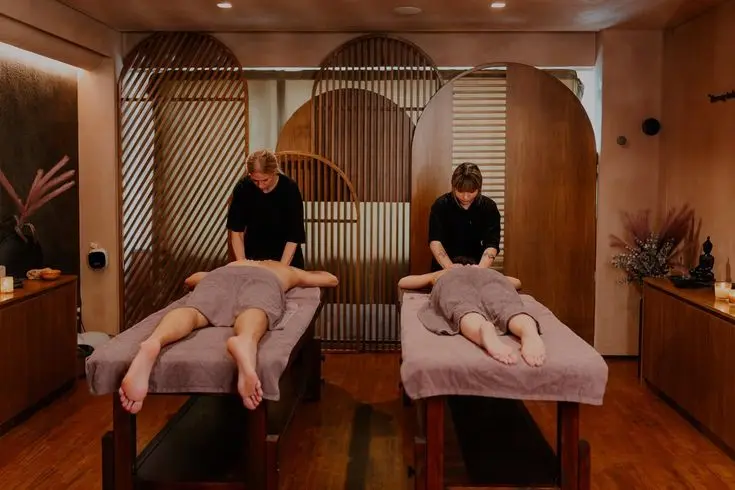
If you’ve ever said, “It feels like my back is locked up,” or “I carry all of my stress in my shoulders,” or I have this persistent pain that won’t go away and someone has told you to get a deep tissue massage. A lot of people don’t realise that, thinking it’s the same as a regular body massage, which couldn’t be further from the truth. It is slower and more concentrated, focusing on deeper layers of muscles and connective tissue.
In this complete guide, you will discover what deep tissue massage is, the benefits of deep tissue massage, how much it hurts most of the time (telling you right now…it’s going to hurt sometimes), and the best recovery tips to help you feel better after your session – not worse like many people experience. We’ll also touch on what deep tissue massage for pain is, who should avoid it and what you may expect, especially if it’s your first time.
What is a deep tissue massage?
Deep tissue massage is a type of massage that works out the kinks and knots found deep in muscle tissues; it uses firm pressure with slow strokes to reach deeper layers of muscles, connective tissues (fascia), locked muscles, or adhesions (bands), and injured areas by breaking down scar tissue. Unlike a relaxation massage, which may simply feel good on the surface, deep tissue work is intended to break up long-standing tension patterns; to release adhesions that develop between muscles and connective tissues; and to incorporate movement as much as possible.
A trained therapist may use:
- palms and fingers pressing in and holding .
- Thumbs and Knuckles for The Persistent Tightness
- forearms & elbows (safely) for deeper pressure over a wide area
- Specific pain point trigger point work
A product that works is often the pain relief for those with things like chronic muscle tightness, sports-related strain or injury, post-desk job problems and recurring body aches.
How Deep Tissue Massage Works for Pain Relief

A lot of people seek deep tissue massage for pain relief because tight, overworked muscles usually cause the aches and pains, along with restricted fascia. When muscle fibres stay contracted for extended lengths of time (thanks to stress, bad posture, travel, gym overuse or an injury), blood flow diminishes, and the region can start feeling sore, stiff or painful.
Deep tissue massage can be beneficial in that:
- flow of blood to the affected region
- reducing muscle tightness and spasms
- increased mobility and flexibility
- nourishing the nervous system and relieving stress-related tension
- enhancing posture, which indirectly decreases strain
This is vital to understand: deep tissue massage is not a “cure-all” for all people. For chronic pain, several sessions coordinated with stretching, strength work, and posture correction will often produce more favourable results.
Experience pure indulgence at our luxury body spa—the top spa in Connaught Place for premium massages, calm vibes, and total relaxation.
Benefits of Deep Tissue Massage
So, let’s take a look at the advantages of deep tissue in an applicable, real-life sense. Most people experience a physical release (such as muscle tension) throughout their bodies, relaxed breathing patterns and minor adjustments to height and alignment.
1) Deep Tissue Massage for Pain Relief (Back, Neck, Shoulders)
One of the most immediate benefits is relief from everyday aches — including, particularly for runners (in my world anyway), in the upper back and neck and shoulders; and also cold lower back. If you’re sitting for long periods of time, driving a lot or working on a laptop/phone, your muscles are likely strained and imbalanced. Deep tissue work can release the tension in those pesky knots, and it can help give you a sense of freedom if you’re feeling “stuck” or “heavy.”
2) Helps with Muscle Stiffness and Limited Mobility
Restricted motion. When muscles and fascia are tight, they can limit movement. You may find it stiff to bend, turn your neck or lift up your arm easily. Deep tissue massage can help break up and erase scar tissue by improving lymphatic circulation and drainage to improve flexibility.
3) Useful for Sports Recovery and Overuse Strain
Deep tissue massage therapy is used by athletes and gym warriors for muscle pain, tight hamstrings, calf tightness, IT band discomfort and other overuse conditions. It could potentially help boost recovery by increasing circulation and decreasing stiffness post-high effort workouts.
4) May Reduce Headache Triggers Linked to Tension
Some tension headaches may also result from tight muscles in the neck and shoulders. Several deep tissue techniques to the upper back, neck and shoulder area can decrease trigger points and allow some people never get headaches as often. If you are getting headaches frequently or if they’re severe, it’s best to consult with a doctor.
5) Better Posture Support
Bad posture is a hidden cause of many aches. When sitting at a desk, rounded shoulders, forward head posture and shortening of your lower back muscles are the norm. Deep tissue work can free up the tight muscle groups that are holding your posture out of alignment. As time goes on, it may be easier to sit up and stand straight.
6) Stress Relief That Feels “Deeper”
While deep tissue massage is not solely a relaxation massage, it can help to minimise stress. The nervous system often relaxes when the body releases its chronic tension. Most people sleep better after the session (once any initial soreness has dissipated).
7) General Health Benefits of Deep Tissue Massage
People also search for the health effects of deep tissue in addition to relieving pain. As everybody is unique, people’s outcomes differ, but deep tissue massage can assist with general well-being in various ways:
- better blood flow and oxygen uptake by the muscles
- diminishing morning rigidity that interferes with activities of daily living
- supporting recovery after physical effort
- developing body awareness (you begin to notice where you store tension)
Good daily habits like hydration, movement and sleep are an important complement to the effects of this form of massage.
Pain Level: Does Deep Tissue Massage Hurt?

This is the most straight-ahead question — and the answer is: it can feel uncomfortable, but it should not feel unbearable.
What “Good Pain” Feels Like
How does deep tissue massage feel? It can be a great deal of strong pressure and twinges of (good) pain—when you run into those tight, knotty areas. You may feel:
- mild discomfort
- tenderness
- pressure that feels intense but manageable
What “Bad Pain” Feels Like (Stop or Speak Up)
If you feel:
- sharp pain
- burning or stabbing sensation
- numbness/tingling shooting down an arm/leg
- pain that makes you hold your breath or tense up
…then either you are putting too much pressure, or the location requires a new tactic. Deep tissue work should be effective, not abusive. Always communicate with your therapist. In Indian households, people can be a bit polite in such situations — so long as that’s not the case with yours. Your feedback matters.
Pain Level on a Simple Scale
Several therapists use a 1–10 comfort scale. A strong deep tissue level typically approaches a 6 or a 7 out of 10 — strong enough only at the point where it remains safe and controlled. When it seems to feel about 8, 9 or 10, it’s usually too intense and may lead to unnecessary soreness or bruising.
What to Expect After a Deep Tissue Massage
After a deep tissue session, it’s common to feel:
- muscle soreness (similar to post-workout soreness)
- fatigue or sleepiness
- mild body ache for 24–48 hours
- occasional light bruising (if your skin is sensitive)
This isn’t necessarily a “bad sign.” Your body is reacting to deep work. But excruciating pain, significant swelling, deep purple bruising and fever or dizziness are not normal; if that happens, it’s best to see a doctor.
Escape the daily rush with a premium experience at our luxury body spa—your go-to spa in Dwarka for deep relaxation and expert therapies.
Recovery Tips After Deep Tissue Massage
Recovery is something that most people get wrong. Do the right aftercare, and you will feel the benefits of deep tissue in greater comfort.
1) Drink Water, But Don’t Overdo It
Hydrating supports the circulation and recovery of your muscles. Drink water throughout the day as you otherwise would. You don’t have to suddenly force litres — just keep properly hydrated.
2) Take It Easy for the Rest of the Day
Don’t do harsh gym workouts right after a powerful deep tissue massage. Give your muscles some time to acclimate. A gentle walk is often fine and may help to reduce stiffness.
3) Use Warmth or Ice Based on Your Body
- If you are in general pain, a warm shower or warm pad can relax muscles.
- If a certain area feels sore, ice it for a few times throughout the day (10-15 minutes) to minimise tenderness.
4) Gentle Stretching Helps
Finish with gentle stretching for the muscles worked, particularly the neck, shoulders, hips, hamstrings and lower back. Don’t push into pain. Think “gentle movement,” not forceful stretching.
5) Prioritise Sleep That Night
After a massage, many people have a feeling of fuller sleep. When do muscles recover best? Sleep. Make efforts to sleep early and minimise late-night screen time.
6) Eat Simple, Balanced Food
A normal, balanced meal consisting of protein, vegetables and carbohydrates can help with recovery. Stay away from too much alcohol after a deep tissue session — it will exacerbate dehydration and inflammation.
7) Notice How Your Body Feels Over 48 Hours
The majority of soreness subsides over the course of 1– through 2–days. If the soreness lasts 4–5 days or more, or intensifies during a massage, the pressure may be too intense, it could be an area of sensitivity for you personally, or there may be an underlying issue.
Who Should Avoid Deep Tissue Massage?
Deep tissue massage is not for everyone. Avoid or take medical advice first if you have:
- recent fractures, sprains, or surgery
- blood clotting issues, or you are on blood thinners
- uncontrolled high blood pressure or serious heart conditions
- severe osteoporosis
- skin infections, open wounds, or fever
- pregnancy (deep tissue may be possible only with a therapist trained in prenatal massage and doctor clearance)
If you are unsure, it’s better to consult a doctor before taking deep pressure.
How Often Should You Get a Deep Tissue Massage?
This depends on your goal:
- Chronic pain or long-standing tightness: once a week for a few weeks might be of service (as recommended by a pro).
- For regular maintenance, or muscular tightness due to stress, once every 2–4 weeks is fine.
- For sports recovery: around training load, but not as a rule straight after hard sessions.
Consistency matters more than intensity. Better 1 hour of moderate-pressure deep tissue regularly than 1 excruciating session.
Conclusion
Deep tissue massage is a strong treatment if you’re looking for more than just relaxation. Now that you have an idea of what a deep tissue massage is, you can see why they’re often selected for stiffness, muscle tightness and long-term pain. The greatest advantages of deep tissue – improved spinal mobility, decreased muscle knots, and deep tissue massage for pain are especially effective in relieving back strain and neck & shoulder tension.
At the same time, it is normal to experience some discomfort during the session and mild soreness afterward so don’t judge too quickly. So with the proper aftercare care such as drinking plenty of water, resting, light stretching and getting a good night’s rest, can help you recover quicker and still get the health benefits from deep tissue in a safe yet comfortable manner. Those who suffer from a medical condition or chronic pain should always consult with a doctor or trained therapist to ensure deep tissue massage is right for them.