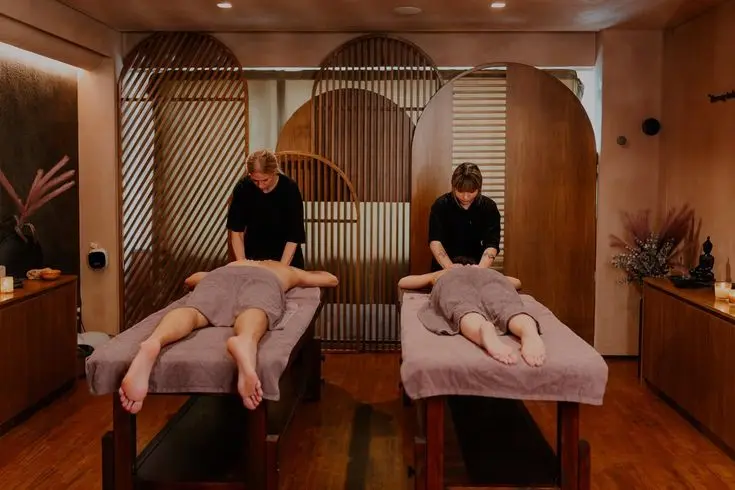
Back pain can make even the most day-to-day activities feel burdensome — sitting, standing, driving, sleeping, and even bending down to tie your shoes. If you’ve been seeking natural ways to feel better, you may have discovered deep tissue massage for back pain.
Deep tissue can be a little uncomfortable compared with a “relaxation massage,” so it’s reasonable to think: Will it hurt? What will the therapist do? How sore will I be after? How many sessions do I need? That’s why this guide will walk you through what to expect before, during, and after your appointment—so you can go in feeling knowledgeable and confident.
What is a deep tissue massage?
Deep tissue massage is similar to Swedish massage, but the deeper pressure is beneficial in releasing chronic muscle tension. The focus is on the deepest layers of muscle tissue, tendons, and fascia (the protective layer surrounding muscles, bones, and joints). The idea is typically to relieve the tension, work out the kinks, or help “the muscles contract more smoothly,” Dr. Moyer said — not necessarily simply to help people feel less stressed.
Key takeaway: Deep tissue does not mean “as hard as possible.” Highly skilled therapists heat slowly and then increase the pressure only if your body allows. When there’s too much pressure, muscles can tighten up defensively and undermine the effects.
Deep tissue vs. Swedish massage (quick comparison)
- Swedish/relaxation massage: lighter to moderate pressure, flowing strokes, calming
- Deep tissue massage therapy: slower strokes, focused pressure, targets stubborn tension and “knots,” can feel intense
Both can be useful—your therapist may even blend styles depending on your pain level and goals.
Can deep tissue massage help with back pain?
According to the At-Home Massage version of this campaign, A lot of people use massage for back pain caused by muscle tension, overuse, posture strain, stress tension, or stiffness. Studies of massage for low-back pain found evidence that it may help in the short term, but not all show benefit, and the quality of the evidence is generally low.
- A Cochrane review found that massage was better than inactive controls for short-term pain and function, but not clearly so long-term, with low/very low evidence quality.
- For acute/subacute non-radicular low back pain, the American College of Physicians (ACP) added massage to the list of possible treatments in its recent guidelines that recommend non-drug therapies.
- Long-term effects for low-back pain have not been shown, and they note the safety concerns about vigorous massage in higher-risk individuals.
Deep tissue massage for back pain could work to release some muscle tension and offer temporary relief for some people —particularly when combined with movement, strengthening, and good daily habits.
Who is a good candidate for a deep tissue massage for back pain?

Deep tissue massage may be a good fit if your back pain feels like:
- a tight, achy, “locked up” back
- muscle knots in the upper back/shoulders
- low back tightness from long sitting or poor posture
- Stiffness around the hips and glutes that pulls on the lower back
- Tension headaches that originate from neck/upper back tightness
It might not be the best as an initial step if you have intense flare-ups, have sharp down-the-leg nerve-like pain, and don’t know what’s causing your pain. (You can still access massage, by the way; it may just need to be a gentler and more medically guided experience.)
What to expect before your session
A good deep tissue back massage begins before the therapist places a hand on you.
1) Intake questions (this is a good sign!)
Expect questions like:
- Where does it hurt (upper back, mid back, low back)?
- How long have you had the pain?
- What makes it worse or better?
- Any numbness, tingling, or pain down the leg?
- Past injuries, surgeries, or diagnoses?
- Current medications (especially blood thinners)
- Your comfort level with pressure (light/medium/firm)
Be honest. The goal is not to “tough it out”—it’s to get results safely.
2) Setting goals
You and the therapist should agree on a goal such as:
- reduce tightness in low back and hips
- improve mobility in the upper back and shoulders
- decrease muscle spasm around a sensitive area
- help you feel looser for workouts or daily life
3) Practical basics
- You’ll usually undress to your comfort level and be draped with a sheet/towel.
- You can ask for specific draping preferences.
- You can request more focus on lower back pain or upper back tension, depending on your needs.
Looking for a spa in Dwarka? Enjoy a luxury body spa experience with deep relaxation and premium care.
What to expect during a deep tissue massage for back pain
1) Warm-up first, deeper work later
Many sessions start with light strokes to warm tissue and determine where your body is holding tightness. The therapist then begins to apply deeper, slower pressure.
2) The sensation: “good hurt” vs. “bad hurt.”
Deep tissue work can be intense, but it should always feel controlled and purposeful.
Okay sensations:
- strong pressure
- tenderness on a tight spot
- “It hurts, but it feels like it’s releasing.”
Not okay sensations (speak up immediately):
- sharp, stabbing pain
- burning or electric sensations
- pain that makes you hold your breath or tense up
- numbness/tingling
A good therapist will adjust pressure instantly.
3) Where they might work (it’s not just the spine)
In the case of lower back pain, deep tissue massage therapists also commonly work on other areas surrounding the lower back that can directly influence it, including:
- glutes and piriformis area
- hips and hip flexors
- hamstrings
- mid-back (thoracic spine) muscles
- lats and ribs (especially if posture-related)
This matters because your lower back can be “taking the load” when your hips and upper back are stiff.
4) Techniques you may experience
Depending on the therapist and your tolerance:
- slow forearm pressure along muscle lines
- sustained compression on trigger points (“knots”)
- friction techniques on dense bands of tissue
- gentle stretching or movement-based work
What to expect after your massage (and why you may feel sore)
It’s common to feel:
- loser and lighter right away
- a bit tired or “mellow.”
- mild soreness later that day or the next day
Cleveland Clinic explains that tenderness following a massage can be normal, especially if you haven’t been in for your session in a while, and tends to last from several hours to about 36 hours.
Normal side effects of deep tissue massage
- muscle soreness (like after a workout)
- tenderness in treated areas
- mild bruising (more likely with very firm pressure or fragile capillaries)
- temporary headache (sometimes, especially with neck/upper back work)
Aftercare tips (simple but effective)
- Hydrate and eat something nourishing.
- Do gentle movement (easy walk, light stretching).
- Use heat for general tightness or cold for a very tender spot.
- Avoid heavy training the same day if you feel sensitive.
- Note what has improved (sleep, range of motion, pain level) so you can tell your therapist next time.
Call a doctor if you have severe pain that does not improve, swelling that gets worse and doesn’t subside, unexplained weakness, or symptoms such as fever. And if your back pain comes with red-flag symptoms (like new bowel/bladder issues), seek urgent care.
Visit our luxury body spa in Delhi and enjoy a relaxing, premium spa experience.
How many sessions do you need?

There’s no universal number. Some get instant release in the first 1-2 sessions, whereas with chronic tension patterns require ongoing work.
A practical approach many people use:
- Start with 1 session, then reassess 48–72 hours later.
- If you notice a benefit, consider a short series (example: weekly or biweekly for a few sessions).
- Then shift into maintenance (monthly or as needed).
For best results, pair massage with:
- core and glute strengthening
- posture changes at your desk
- regular walking and mobility work
- stress management and sleep support
Safety and contraindications (when to avoid deep tissue massage)
Although massage is generally low risk, rare serious side effects have been reported, especially with vigorous techniques and in patients at significant risk of complications.
Talk to a clinician and/or choose a gentler approach if you have:
- blood clot history (DVT), bleeding disorders, or you’re on blood thinners
- severe osteoporosis or fragile bones
- fever, active infection, or inflamed skin conditions
- recent surgery or acute injury without clearance
- uncontrolled medical conditions where deep pressure could be unsafe
The American Massage Therapy Association (AMTA) also advises exercising special caution with deep tissue methods if issues such as high blood pressure, bruising, or a risk of blood clots are present.
How to choose the right therapist for back pain
If you want a deep tissue massage for back pain, look for:
- proper licensing/credentials in your region
- experience with therapeutic/deep tissue work (not only spa relaxation)
- an intake process (they ask questions!)
- a therapist who encourages communication and consent
- comfort with modifying pressure and technique
Questions to ask when booking
- “Do you have experience with lower back pain and hip-related tension?”
- “Can we start lighter and build up pressure?”
- “Do you incorporate stretching or movement-based work?”
- “What should I do after the session to reduce soreness?”
Final thoughts
Scheduling a deep tissue massage for back pain is also a clever, body-friendly choice—especially if you’re experiencing tightness, feeling like your back muscles are being overworked, or there’s just too much tension and that lingers in knots. The best experiences are characterized by clear communication, appropriate pressure (not “max force”), and realistic expectations: relief can be significant, but it’s nearly always part of a holistic plan that includes movement, strengthening, and healthy daily habits.