
Between work deadlines, family responsibilities, long commutes and endless screen time, most of us treat our bodies like machines that should simply keep running. We push through the stiff neck, the tired eyes and the restless nights, and tell ourselves we will rest later. But “later” rarely comes, and the body has its own way of asking for a break.
A spa day is one of the simplest and most enjoyable ways to answer that call. It is not an indulgence reserved for special occasions. A professional massage in a calm, clean and private setting gives your muscles time to relax, your mind time to slow down, and your routine a much-needed pause.
If you are wondering whether you actually need one, this guide walks you through eight common signs, explains what a spa day can do for you, and helps you plan your first visit.
Sign 1: Your Muscles Feel Tight All the Time
Do you wake up with a stiff neck, or feel your shoulders creeping up towards your ears by lunchtime? Constant muscle tension is one of the clearest signs that your body needs attention. Stress, poor posture and long hours in the same position all cause muscles to stay contracted, even when you are not using them.
Massage uses pressure, kneading and long strokes to help tight muscles relax and ease everyday stiffness. A session of deep tissue massage is a popular choice for people who feel “locked up”, while a gentler Swedish massage suits those who simply want to unwind. Not sure which one is right for you? Our comparison of deep tissue vs Swedish massage will help you decide.
Sign 2: You Spend Your Day at a Desk
Sitting for eight or more hours with a laptop in front of you puts steady strain on the neck, upper back and lower back. Over time, this can leave you with that familiar dull ache between the shoulder blades or a tight lower back by evening.
Regular massage can help relax the muscles that work hardest to hold your posture, and a spa visit gives you a good reason to step away from the screen. If this sounds like your daily routine, read our guide to the best massage for neck and shoulder pain from a desk job and our article on what to expect from deep tissue massage for back pain.
Sign 3: Your Mind Feels Tired, Foggy or Overloaded
Mental exhaustion is just as real as physical tiredness. If you find it hard to concentrate, forget small things or feel overwhelmed by a long to-do list, your mind may be asking for a pause.
A spa day gives you something that is surprisingly hard to find in daily life: an hour or two with no phone, no notifications and no demands. The quiet room, soft lighting, soothing aromas and steady rhythm of a massage encourage your mind to slow down. Many people leave feeling lighter and more focused, ready to approach their work and home life with fresh energy.
Sign 4: You Are Not Sleeping as Well as You Used To
Restless nights, waking up at odd hours or feeling unrefreshed in the morning are common when stress is high and the body is tense. While a massage is not a treatment for sleep problems, relaxation techniques can help your body wind down.
A calming evening session with aromatherapy oils can help you shift out of “work mode” and into a more rested state, which may make it easier to fall asleep that night. If you want to explore this further, our comparison of aromatherapy vs hot stone massage explains which style suits relaxation best.
Sign 5: You Feel Stressed, Irritable or Easily Overwhelmed
Everyone feels stressed from time to time, but if small things are starting to bother you more than usual, or you feel constantly “on edge”, your body may be carrying more stress than it can handle.
The slow, rhythmic movements of a massage can encourage the body to relax, which is why many people describe feeling calmer and more at ease after a session. Making this a regular habit, rather than a last resort, helps you manage everyday pressure before it builds up.
Sign 6: You Are on Your Feet or Travelling All Day
It is not only desk workers who feel the strain. If you spend long hours standing, walking, driving or travelling between meetings, your legs, feet and lower back take a lot of load. Tired, heavy legs and sore feet at the end of the day are a sign that your body needs recovery time.
A full body massage, or a focused foot and leg treatment, can help ease that tired feeling and leave you feeling more comfortable. For a deeper look at what a complete session includes, see our page on full body massage.
Sign 7: Tension Headaches and a Tight Scalp Are Becoming Common
A tight neck, jaw and scalp often go hand in hand with long hours of concentration and stress. If you often feel pressure around your head or a tightness at the base of your skull, relaxation-focused treatments such as a neck, shoulder and head massage may help you feel more comfortable.
Learn more about the techniques and benefits in our guide on what a head massage is. If headaches are frequent, severe or unusual for you, please speak to a doctor before relying on massage alone.
Sign 8: You Have Forgotten What “Time for Yourself” Feels Like
Perhaps the clearest sign of all: when did you last do something purely for yourself? If your days are packed with obligations and your own well-being always comes last, a spa day is a gentle reminder that you matter too.
Self-care is not selfish. Looking after your own comfort and energy makes it easier to show up for your work, family and friends.
What Can a Spa Day Include?
A spa day does not have to be elaborate. Depending on how much time you have, it can be as simple as a single massage or a longer, more relaxing experience. Typical options include:
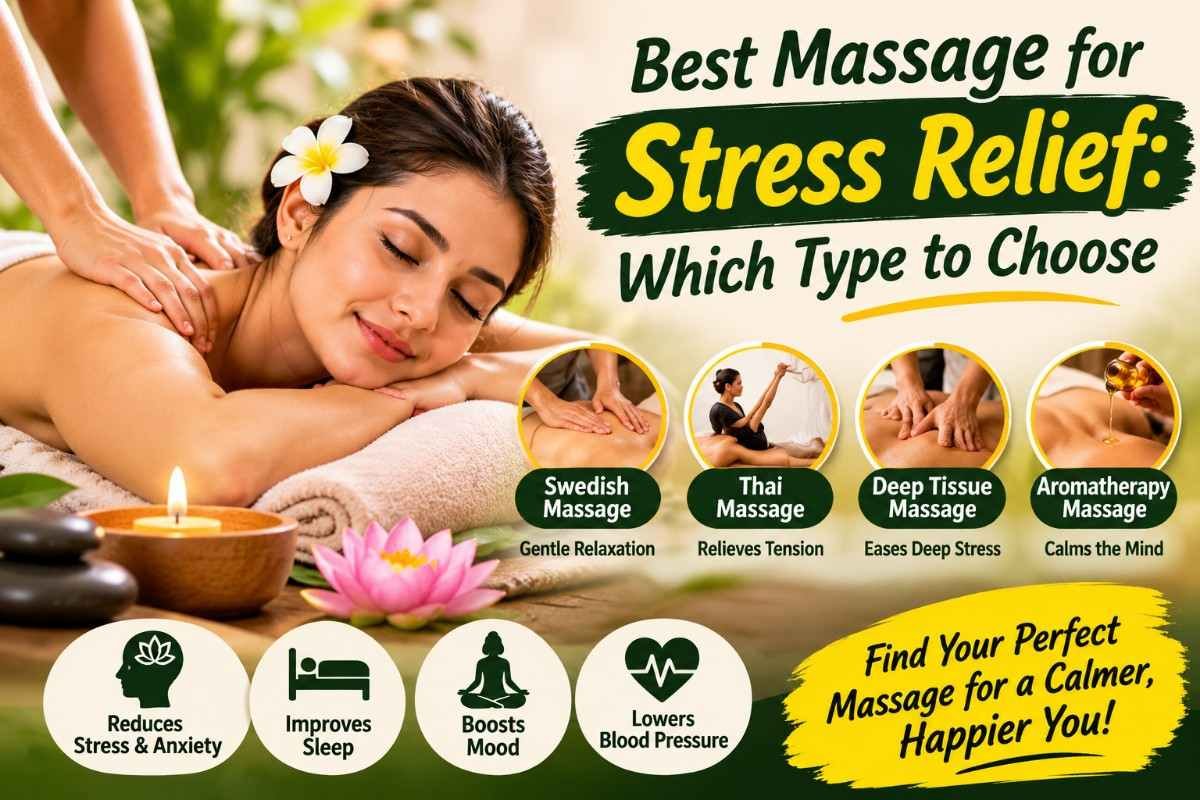
- Swedish massage: gentle, flowing strokes for general relaxation.
- Deep tissue massage: firmer pressure for stubborn tension in the back, neck and shoulders.
- Aromatherapy massage: calming essential oils to help you unwind.
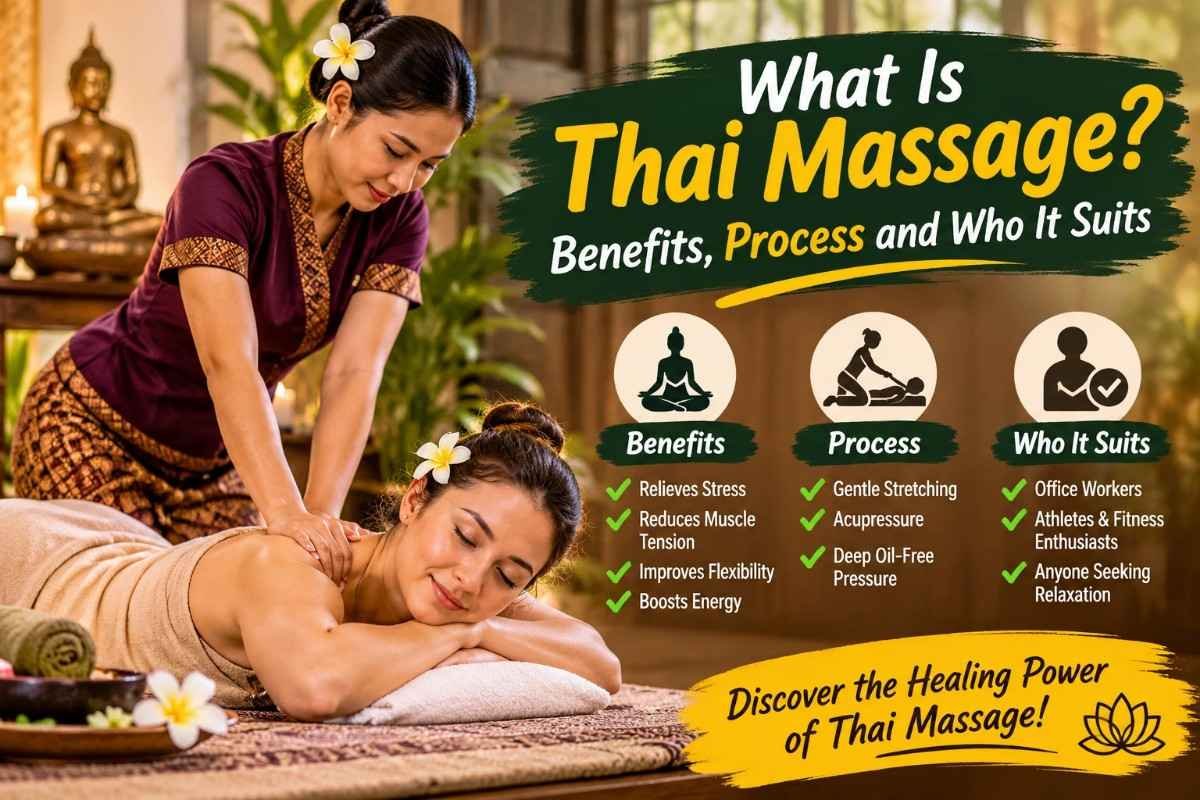
- Thai massage: stretching and rhythmic pressure for stiffness and flexibility.
- Hot stone massage: warmth to help muscles relax deeply.
- Ayurvedic oil massage: a traditional approach to relaxation, explained in our guide to Abhyanga massage.
- Add-ons: body scrub, foot treatment or head massage, available at selected outlets.
Treatment options can vary by outlet, so it is always best to confirm with your preferred location when you book.
How to Get the Most Out of Your Spa Day
A few simple habits can make your visit more enjoyable and effective:
- Plan ahead. Book a time when you will not be rushed, ideally with no meetings or commitments straight after.
- Arrive a little early. This gives you time to settle in, fill out any forms and talk to the therapist.
- Speak up about your needs. Share areas of tension, injuries, allergies and your preferred pressure (soft, medium or firm).
- Switch off your phone. Treat this as your time to disconnect.
- Drink water afterwards. Hydration helps you feel your best after a massage.
- Go slow afterwards. Avoid hurrying straight into a stressful task. Let the calm last a little longer.
If this is your first visit, our guide on what to expect before your first luxury spa visit answers the most common questions.
How Often Should You Have a Spa Day?
There is no single rule. Many people enjoy a massage every two to four weeks as part of their self-care routine, while others prefer a monthly or occasional treat. If you are dealing with a particularly stressful period, you may want to visit more often for a while.
The best approach is to listen to your body. If you notice the signs above returning, it is probably time to book your next session.
When a Spa Day Is Not Enough
Massage is meant for relaxation and general well-being. It is not a substitute for medical care. Please speak to a doctor first if you have:
- Persistent or severe pain, numbness or tingling
- A recent injury, fracture or surgery
- Skin conditions, infections or open wounds in the area to be massaged
- Pregnancy or any ongoing medical condition
Always inform the spa about your health conditions before your session so the therapist can adjust the treatment safely.
Conclusion
Your body is constantly sending signals: tight muscles, tired eyes, restless nights, a short temper, a foggy mind. A spa day is a simple, enjoyable way to listen and respond. It gives your muscles a chance to relax, your mind a chance to slow down, and you a chance to feel looked after.
At Luxury Body Spa, we offer a range of massage therapies in a clean, private and comfortable setting, so you can switch off from the daily rush and recharge. You can browse our spa prices and packages or find the nearest location on our outlets page. A first-visit offer is available at selected outlets, so please confirm the current offer when you book.
Note: Massage is meant for relaxation and general well-being and is not a substitute for medical advice or treatment.
FAQs
How do I know if I need a spa day?
Common signs include constant muscle tension, a stiff neck or back from desk work, poor sleep, feeling mentally tired, and being more stressed or irritable than usual. If several of these sound familiar, a spa day may help you relax and recharge.
Is a spa day worth it?
For many people, yes. A spa day offers dedicated time to relax, ease everyday muscle tension and step away from daily pressures. Many guests find that it improves how rested and refreshed they feel.
How long should a spa session be?
Most relaxation massages last around 60 minutes, which is a good starting point for first-time visitors. Longer sessions and packages are available if you want a more complete experience.
Which massage is best for stress relief?
Swedish massage and aromatherapy massage are popular choices for relaxation and stress relief because of their gentle, flowing techniques. If your muscles feel very tight, a medium-to-firm pressure massage may suit you better. Your therapist can recommend the right option.
Can I choose the pressure during my massage?
Yes. You can ask for soft, medium or firm pressure and tell the therapist if you want to adjust it during the session.
What should I do before and after a massage?
Avoid a heavy meal just before your session, arrive a few minutes early and share any health concerns with the therapist. Afterwards, drink water and give yourself a few quiet minutes before returning to your routine.
How often should I get a massage?
Many people enjoy one every two to four weeks, but the right frequency depends on your lifestyle, stress levels and budget. Listen to your body and book when you notice tension building up.
Can everyone get a massage?
Most healthy adults can, but if you are pregnant, have an injury, a skin condition or any medical concern, please consult your doctor and inform the spa before booking.